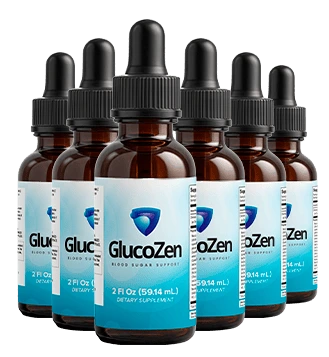
GlucoZen
This entry is unpaid and independent. When we do point to a specific product, we link to authorized retailers and may earn a commission at no extra cost to you.
What GlucoZen claims to do
GlucoZen is marketed across several nearly identical websites as a once-daily liquid drop supplement for blood sugar support, typically sold as a 2 fl oz (59.14 mL) dropper bottle positioned as a 30-day supply at two droppers a day. Outside marketing built around the product talks about glucose response, insulin sensitivity, energy crashes, and cravings, and on at least one storefront specifically claims to support "natural GLP-1 activity" — a phrase that borrows the name of a class of prescription diabetes and weight-loss medications without that storefront disclosing any evidence this specific liquid blend affects that pathway.
An ingredient panel that depends on which site you land on
The checkout site at en-glucozen.com lists Berberine HCl, Cinnamon Bark Extract, and Resveratrol as GlucoZen's headline actives, with Turmeric Extract named in a separate callout elsewhere on the same page. A separate checkout page also branded as GlucoZen's official site lists an entirely different, thirteen-ingredient panel instead: Gymnema Sylvestre, Monoammonium Glycyrrhizinate, Banaba Leaves, Astragalus, Bitter Melon, Green Tea, Grape Seed Extract, Juniper Berry, Inulin, Chromium, Licorice root, Cinnamon, and Berberine. Neither page discloses an individual milligram amount for any ingredient on its list. A third bottle design, sold in capsule form rather than liquid drops, turned up under the same brand name as well. Whichever ad happens to route a shopper to a given storefront determines which of these formulas — if any consistently — would actually arrive in their order.
A storefront that steers buyers away from the product they searched for
On the checkout site branded en-us-glucozen.com, we found a comparison graphic shown directly to visitors landing on a GlucoZen page: a green-labeled bottle called "Gluco Tonic" is marked "New Version" alongside an unsourced "99.9% Accurate" score, set next to the actual GlucoZen-labeled bottle marked "Old Version" alongside an unsourced "59% Accurate" score. No study, methodology, or source is cited for either figure — they read as graphic-design assertions rather than measurements of anything. In practice, this means a shopper who searches for GlucoZen by name and lands on this "official" page is told by the seller itself that the product they searched for is the outdated, less-accurate option.
Berberine, cinnamon bark extract, chromium, gymnema sylvestre, and bitter melon are all real, commonly studied ingredients in the blood-sugar-support category, and several — berberine especially — have published human trial data as standalone compounds at disclosed doses. None of that research was conducted on any of the undisclosed, inconsistent blends sold under the GlucoZen name, and none of it resolves which formula, bottle design, or price a given buyer would actually receive.
Deepfake celebrity and doctor endorsement ads
Separate from anything printed on a label, independent reporting has documented paid video ads for GlucoZen that use AI-generated footage and altered audio to fabricate endorsements from Dr. Oz, Dr. Phil, and Elon Musk, alongside fabricated segments styled to resemble Fox News coverage. Coverage describing this pattern points to synthetic lip movement and generated voice audio as evidence the clips are manufactured rather than authentic media appearances. We found no credible evidence that any of the three named figures has an actual relationship with this product.
A false "FDA Approved" claim, contradicted on the same page
One official-labeled GlucoZen storefront displays a section headlined "FDA Approved," describing manufacturing in an "FDA-registered facility." Further down the same page, its own compliance disclosure states that "the FDA hasn't evaluated the statements provided on this page" — standard boilerplate required on nearly every U.S. supplement site. The FDA does not approve dietary supplements of any kind; it can register a manufacturing facility, which is a food-safety facility check, not a product endorsement. Advertising a facility registration under an "FDA Approved" headline blurs a real regulatory step into a claim the agency does not make for any product in this category.
Price anchoring and manufactured urgency
Checkout pages for GlucoZen list a struck-through "regular price" as high as $1,074 for a six-bottle order, discounted to $294 ($49 per bottle), with similarly inflated-then-slashed pricing on the three-bottle ($537 cut to $207) and single-bottle ($358 cut to $158, plus shipping) tiers. We could not find any independent record of GlucoZen ever actually selling at those higher listed prices; discounting from a figure a product may never have sold at is a long-standing pattern in this style of direct-response marketing. The same pages also display a running feed of "recent purchase" pop-ups naming specific individuals, cities, and bottle counts — for example, "Emily, Texas, 6 bottles" — that we found populate from a fixed list of names written directly into the page's own code, not from live order data.
Why this earns a Grade C
Grade C on this site marks products built on real, checkable ingredients that are undermined by red flags substantial enough to outweigh the case for recommending the product as sold. GlucoZen fits that pattern on several counts at once: an ingredient panel that differs depending on which "official" site a shopper lands on, a storefront that actively brands the product itself as the outdated option in favor of a rebrand, a documented multi-figure deepfake endorsement campaign, a false "FDA Approved" claim contradicted by the page's own required disclaimer, and inflated list-price anchoring paired with fabricated purchase-activity pop-ups. None of that is a verdict on berberine, cinnamon, or chromium as compounds — it's a verdict on this specific product, sold this inconsistent way.
Anyone pregnant, nursing, under 18, taking prescription medication — including insulin or other blood-sugar-lowering medication — or managing diabetes or another health condition should talk with a healthcare provider before starting any new supplement, particularly one whose actual ingredient panel cannot be confirmed in advance and that markets itself using language borrowed from prescription glucose-management drugs.
Rather than recommend GlucoZen itself, or guess at which of its differing ingredient panels a given order would contain, we'd point toward a single-ingredient option with a disclosed dose printed on the label: NOW Foods Berberine Glucose Support, which states its 400mg berberine HCl amount per softgel directly on the bottle and comes from a manufacturer that has operated GMP-certified, third-party-tested facilities since 1968. It won't replicate whichever multi-ingredient blend a GlucoZen order might arrive with, but you'll know exactly what dose of berberine you're taking.
Check current listing on Amazon →These statements have not been evaluated by the FDA. This product is not intended to diagnose, treat, cure, or prevent any disease. Talk to a healthcare provider before starting any new supplement.